When to Move to an Addressable System: Thresholds and Cost
At what point the move from conventional to addressable becomes the right decision. Storey count, compartment count, cabling cost and the break-even point.


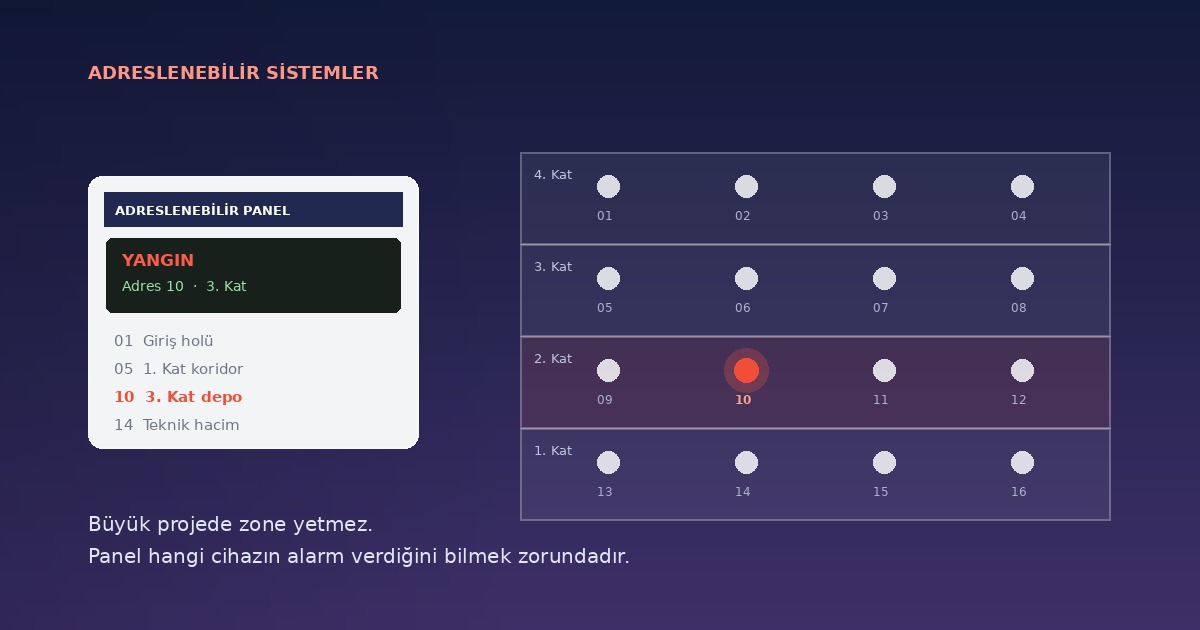
At what point the move from conventional to addressable becomes the right decision. Storey count, compartment count, cabling cost and the break-even point.
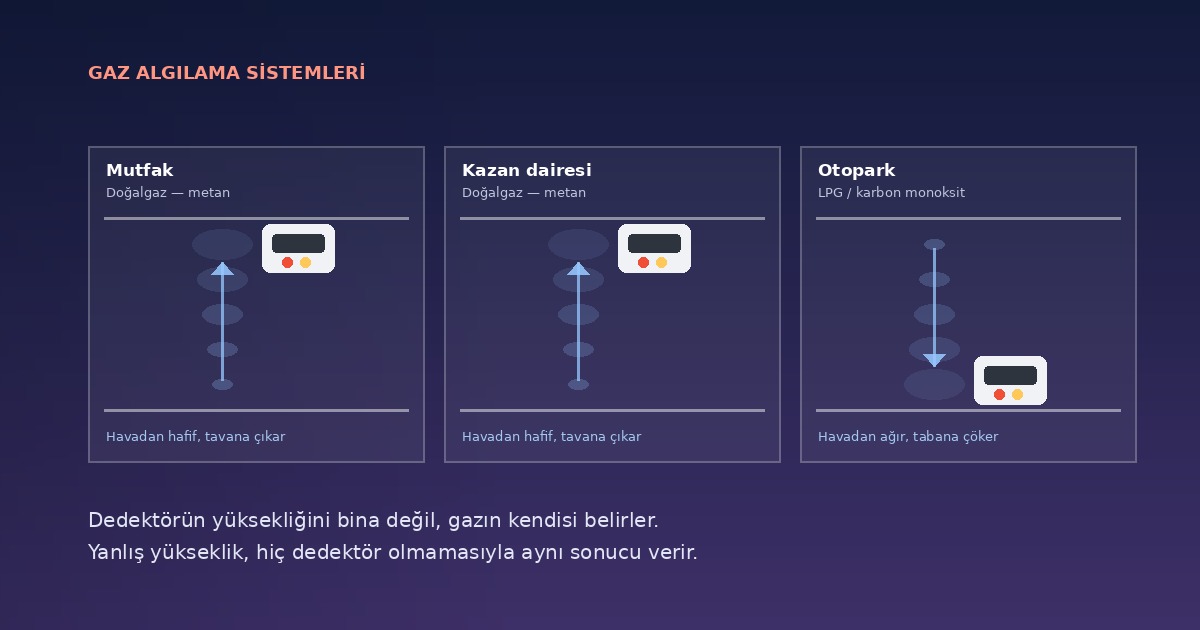
At what height methane, LPG and carbon monoxide detectors are mounted, how close to the source, and what the alarm threshold is. Kitchen, boiler room and car park applications.

What fails when maintenance is skipped: battery capacity, contaminated detectors, disabled zones, undocumented changes. What an inspector asks for first.

Turkey's fire safety regulation gave existing buildings until 31 December 2025 to complete missing fire protection measures. That period has now ended and inspections are underway.

The practical differences between addressable and conventional fire alarm systems, how to compare their real cost, and which building type calls for which.

Occupancy classes, height thresholds and high-risk areas that make an automatic fire detection system mandatory under Turkish fire safety regulation.

Coverage radius, spacing, wall clearance and ceiling beam rules for smoke and heat detectors under TS CEN/TS 54-14.

Daily, monthly, quarterly and annual checks for fire detection systems under TS CEN/TS 54-14, who performs them, and what inspection requires on file.
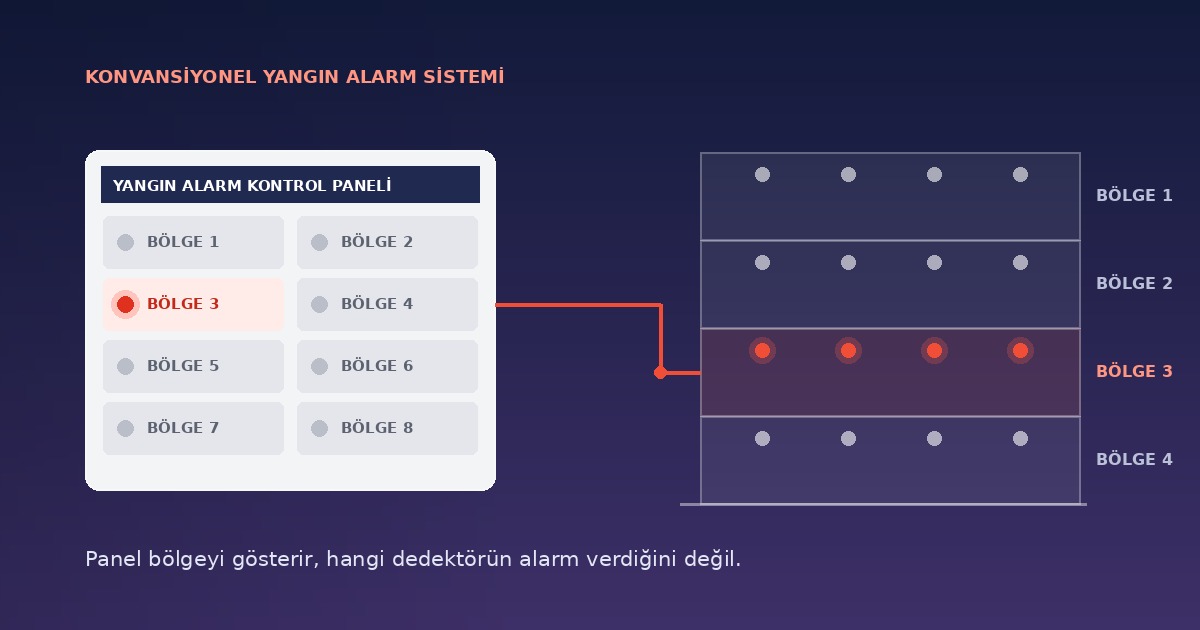
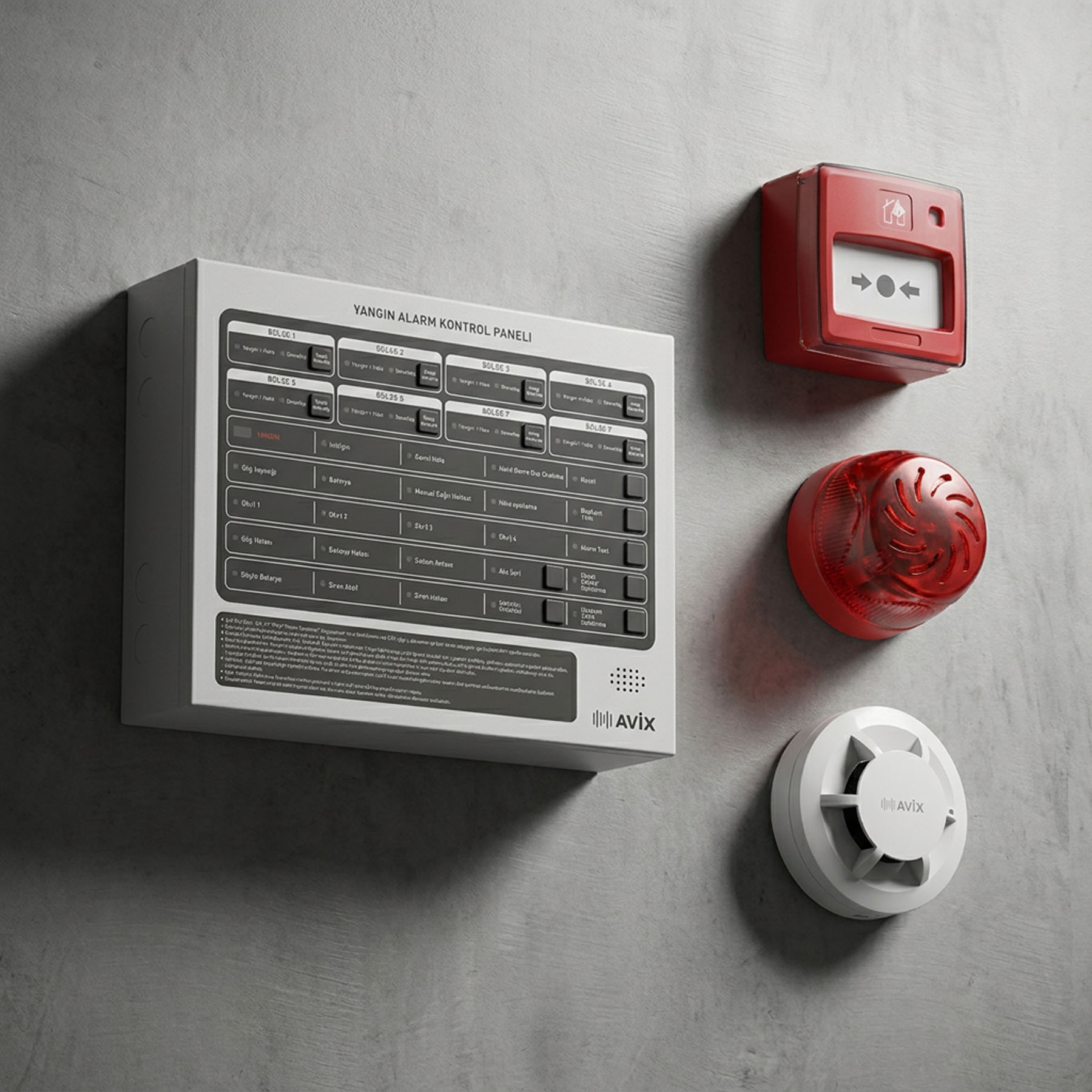
How a conventional fire alarm panel works, what a zone is, and how much area one zone can cover. Choosing between 2, 4 and 8 zone panels, and when conventional is no longer enough.
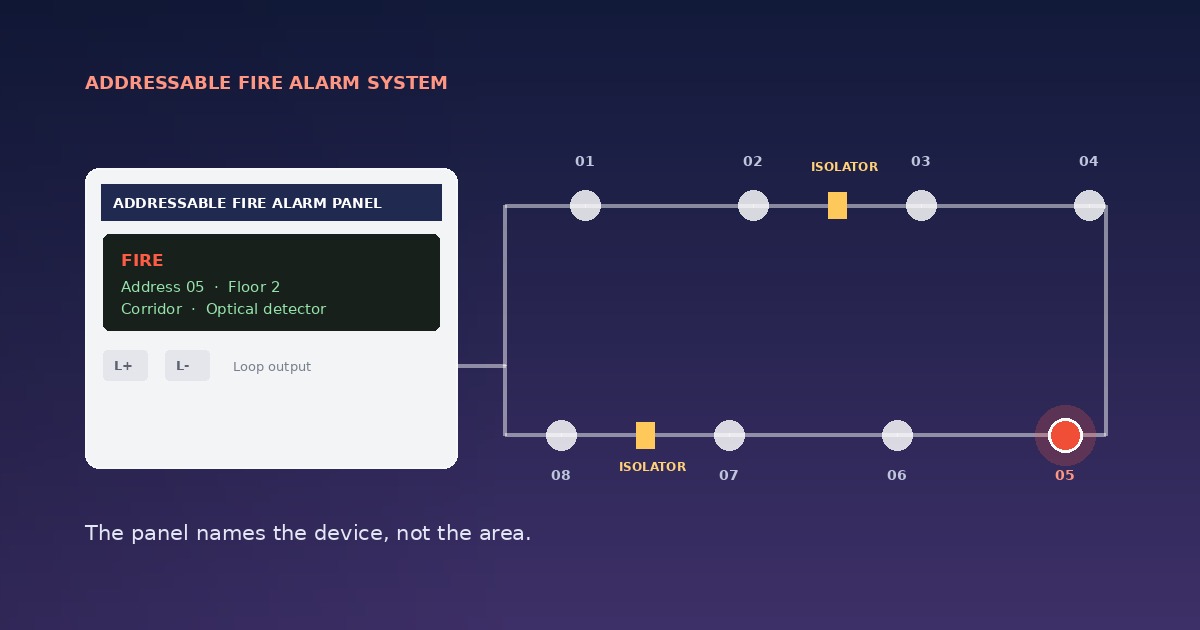
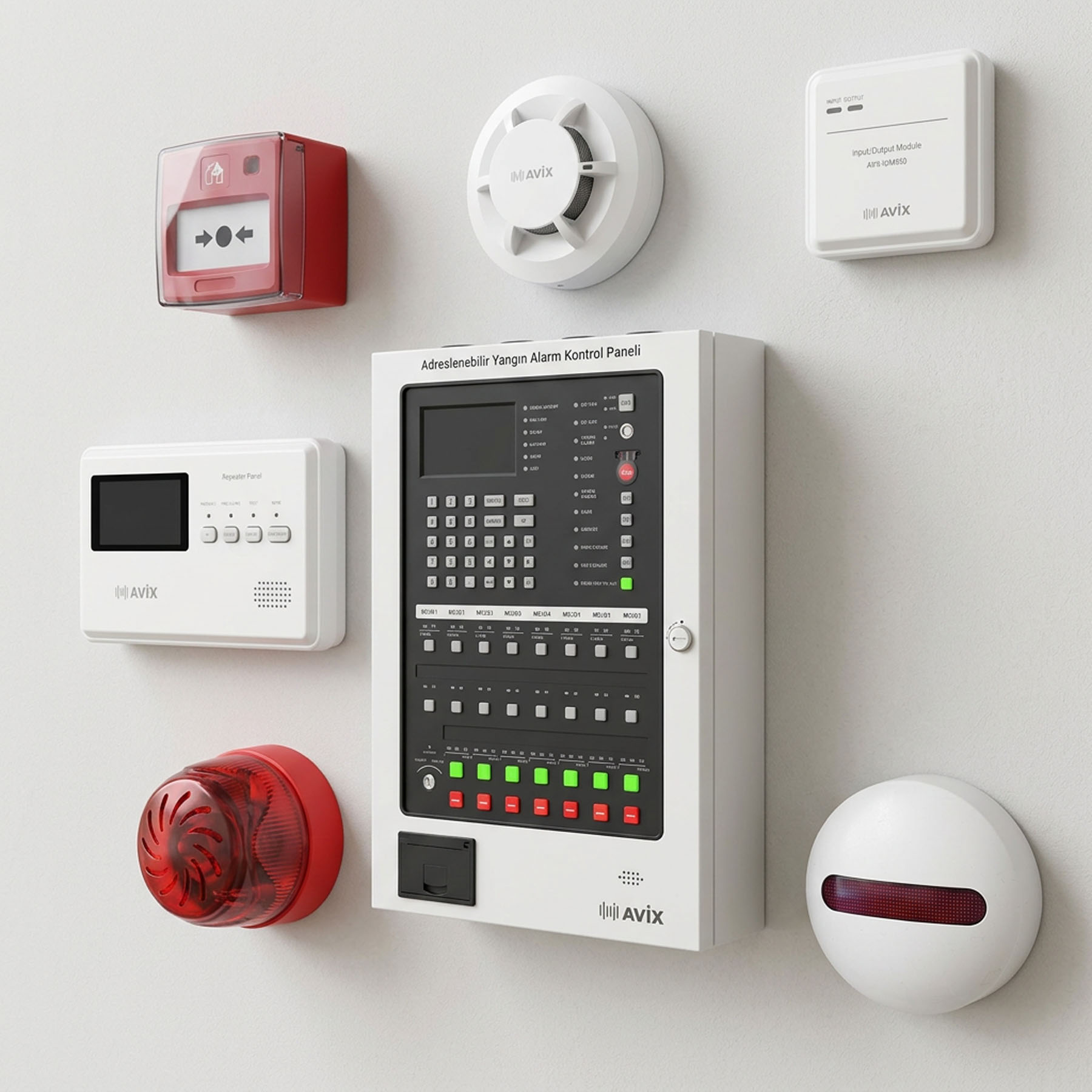
How an addressable fire alarm panel works, the difference between a loop and a zone, why isolators are mandatory, and when to move up from a conventional system.
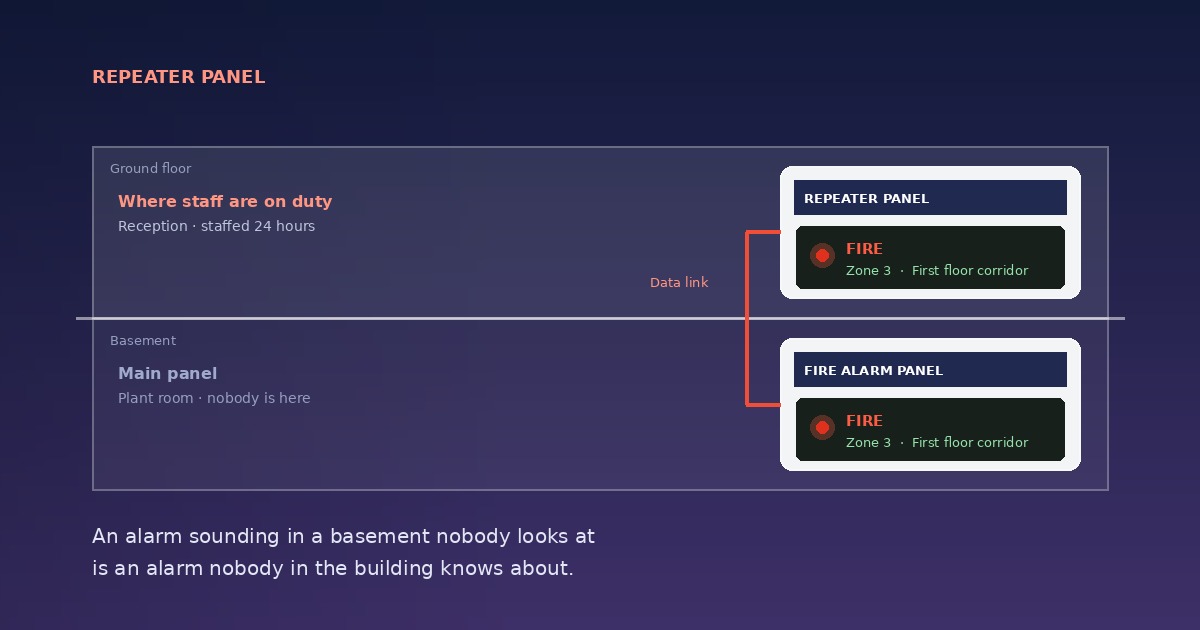
A repeater panel mirrors the main fire panel at a second location. Where it is required, how it differs from the main panel, and how many are needed.
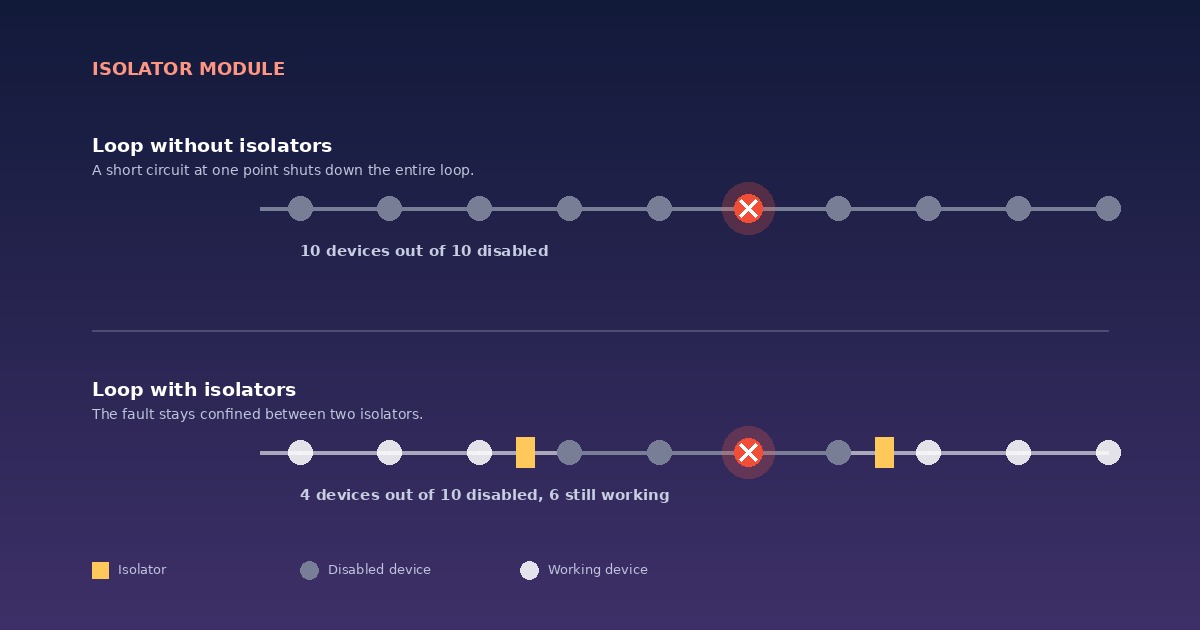
An isolator module limits the effect of a short circuit on a loop. Why it is mandatory, how it is positioned, whether base isolators are sufficient, and why it gets skipped.
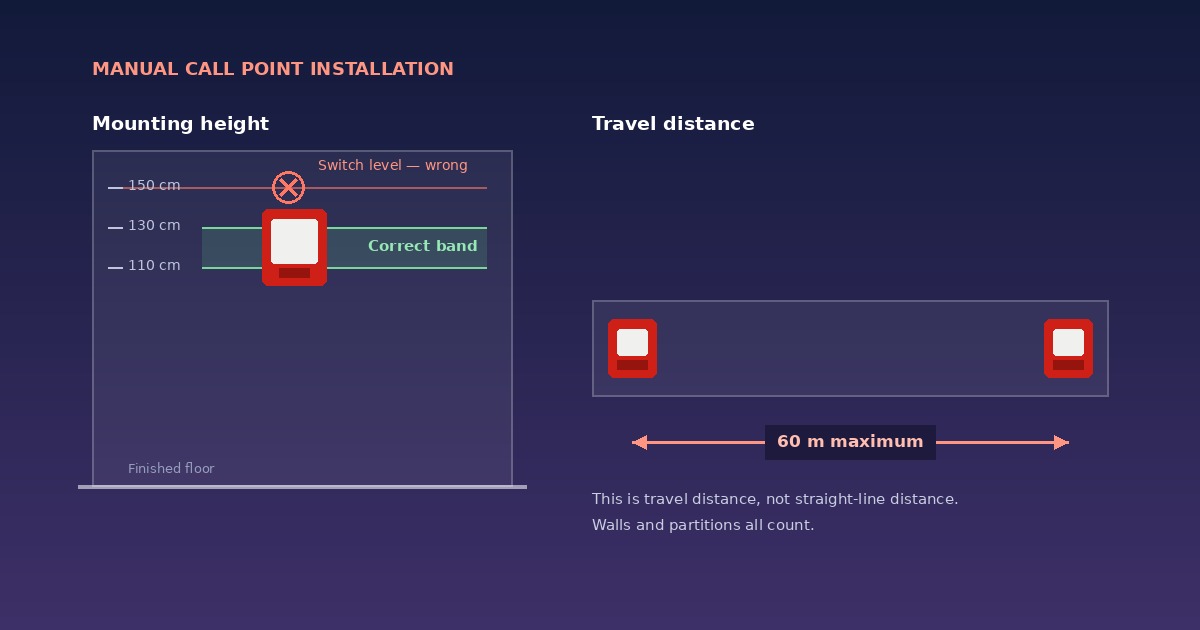
At what height a manual call point is mounted, the maximum travel distance to one, and where they go. Resettable versus break-glass types.
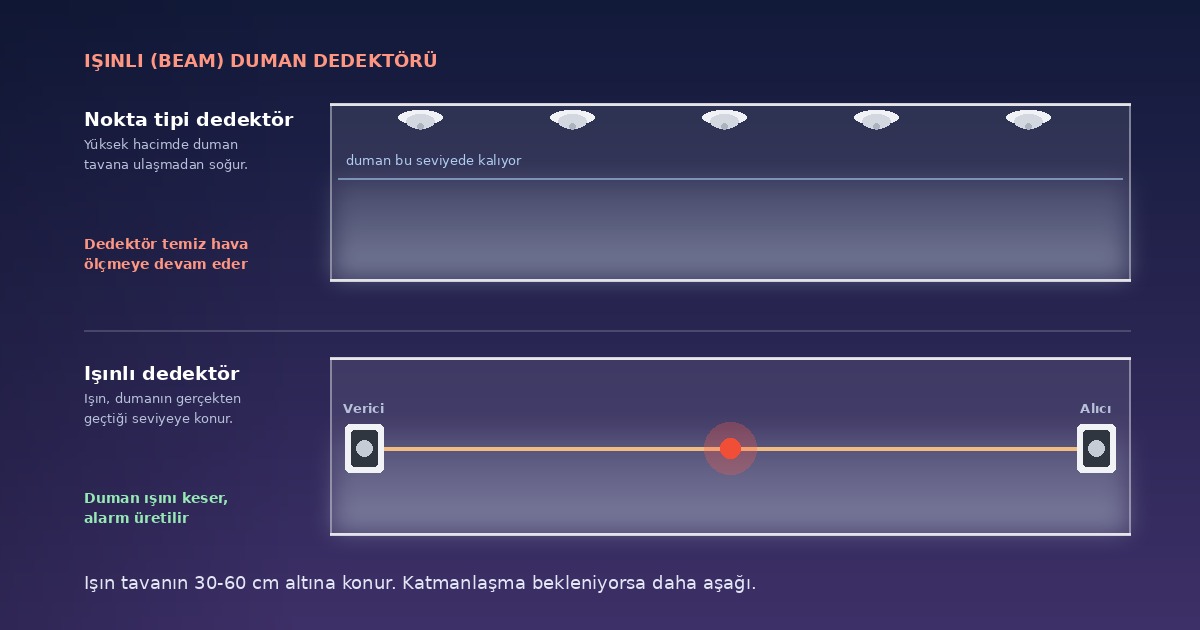
Why point detectors fall short in high spaces, how much width a beam detector protects, and what mounting height to use. Stratification and alignment.