İhtiyacınıza uygun güvenlik çözümünü birlikte belirleyelim
Bizimle İletişime Geç

Projelerde en sık karşılaştığımız sorular için teknik ve operasyonel açıdan net yanıtlar sunuyoruz.
Adreslenebilir yangın alarm sistemleri, alarm veya arıza durumunda olayın gerçekleştiği cihazı noktasal olarak gösterebilir. Bu sayede büyük ölçekli projelerde hızlı müdahale ve merkezi yönetim avantajı sağlar.
Konvansiyonel yangın alarm sistemleri ise bölge bazlı çalışır. Daha küçük ve orta ölçekli yapılarda ekonomik, güvenilir ve pratik çözümler sunar.
Adreslenebilir sistemler; hastaneler, üretim tesisleri, oteller, alışveriş merkezleri, eğitim kampüsleri ve büyük ticari yapılar gibi çok sayıda cihazın bulunduğu projelerde tercih edilmektedir.
Gelişmiş alarm yönetimi, senaryo oluşturma ve noktasal izleme özellikleri sayesinde operasyonel güvenliği artırır.
Evet. Projenin kullanım amacı, risk seviyesi, yapı tipi ve operasyonel ihtiyaçları değerlendirilerek uygun yangın alarm sistemi ve ekipman seçimi konusunda teknik yönlendirme sağlıyoruz.
Bu süreçte adreslenebilir sistemler, konvansiyonel çözümler, gaz algılama sistemleri ve yardımcı ekipmanlar proje ihtiyaçlarına göre planlanmaktadır.
Gaz algılama sistemleri; üretim tesisleri, enerji alanları, petrokimya tesisleri, depolar, teknik hacimler ve riskli endüstriyel alanlarda yaygın olarak kullanılmaktadır.
Bu sistemler, tehlikeli gaz sızıntılarını erken tespit ederek can ve mal güvenliğinin korunmasına katkı sağlar.
Konvansiyonel yangın alarm sistemleri; ofisler, mağazalar, küçük işletmeler, restoranlar, butik oteller ve düşük-orta ölçekli projelerde sık tercih edilmektedir.
Ekonomik yapısı, kolay kurulumu ve güvenilir çalışma performansı sayesinde birçok projede etkin çözüm sunar.
Yangın alarm sistemlerinin düzenli bakımı; cihazların doğru çalışması, olası arızaların erken tespiti ve sistem performansının korunması açısından kritik öneme sahiptir.
Periyodik bakım süreçleri sayesinde sistem güvenilirliği artırılır ve olası risklerin önüne geçilir.
Evet. YANSİS olarak devreye alma süreçlerinden bakım planlamalarına kadar satış sonrası teknik destek sunuyoruz.
Sistem kullanımı, teknik ihtiyaçlar, bakım süreçleri ve operasyonel destek konularında profesyonel çözüm yaklaşımı ile hizmet vermekteyiz.
Yangın alarm paneli seçiminde proje büyüklüğü, zone ihtiyacı, cihaz sayısı, entegrasyon gereksinimleri ve operasyonel yönetim ihtiyaçları dikkate alınmalıdır.
Küçük projelerde konvansiyonel paneller yeterli olurken, büyük ve kompleks yapılarda adreslenebilir yangın alarm panelleri daha verimli çözümler sunmaktadır.
YANSİS; adreslenebilir yangın alarm sistemleri, konvansiyonel yangın alarm sistemleri, gaz algılama çözümleri, yardımcı ekipmanlar ve güvenlik altyapıları alanında çözüm sunmaktadır.
Farklı ölçeklerdeki projeler için mühendislik, sistem entegrasyonu ve teknik danışmanlık desteği sağlamaktadır.
Evet. Yangın alarm sistemlerinin ilgili yönetmeliklere, proje gereksinimlerine ve güvenlik standartlarına uygun şekilde planlanması büyük önem taşır.
Doğru projelendirme ve uygun ekipman kullanımı; sistem güvenilirliği, operasyonel sürdürülebilirlik ve can güvenliği açısından kritik rol oynar.
Yerleşim hesabı metrekare üzerinden değil, koruma yarıçapı üzerinden yapılır. Bir dedektörün "şu kadar m² görür" denmesi yanıltıcıdır; asıl belirleyici olan cihazın merkezinden itibaren dumanı algılayabildiği yarıçaptır.
TS CEN/TS 54-14'e göre nokta tipi duman dedektörünün maksimum algılama yarıçapı 6,2 metredir. Kare dizilimde dedektörler arası mesafe 8,8 metreyi, en yakın duvara mesafe 4,4 metreyi aşmamalıdır.
Derinliği 0,25 metreyi aşan tavan kirişleri, aralarında kalan her gözü ayrı bölme haline getirir. Bu durumda her göze ayrı dedektör gerekir; açık alan hesabı geçersiz olur. Asma tavan ve döşeme altı boşlukları da yüksekliğe bağlı olarak ayrı korunabilir.
Aynı metrekaredeki iki mahal, tavan yapısı ve bölme sayısı farklıysa tamamen farklı dedektör sayısı gerektirir. Bu yüzden proje görülmeden cihaz sayısı verilmez.
İki cihaz farklı olayları algılar ve bu fark, hangisinin nereye takılacağını belirler.
Yanma ürünlerini optik olarak algılar. Yangının henüz alevlenmediği, için için yandığı aşamada uyarı verir. Erken algılama gerektiren tüm normal mahallerde tercih edilir. TS EN 54-7 kapsamındadır.
Belirli bir sıcaklığa ulaşıldığında ya da sıcaklık hızla yükseldiğinde devreye girer. Duman dedektörüne göre daha geç ama daha kararlı çalışır. TS EN 54-5 kapsamındadır.
Mutfak, kazan dairesi, çamaşırhane ve otopark gibi buhar, toz ya da egzoz bulunan yerlerde duman dedektörü hatalı alarm verir. Bu mahallerde ısı dedektörü kullanılır. Hatalı alarm, sistemin güvenilirliğini gerçek bir arızadan daha hızlı yıpratır: birkaç yanlış alarmdan sonra o bölge devre dışı bırakılır.
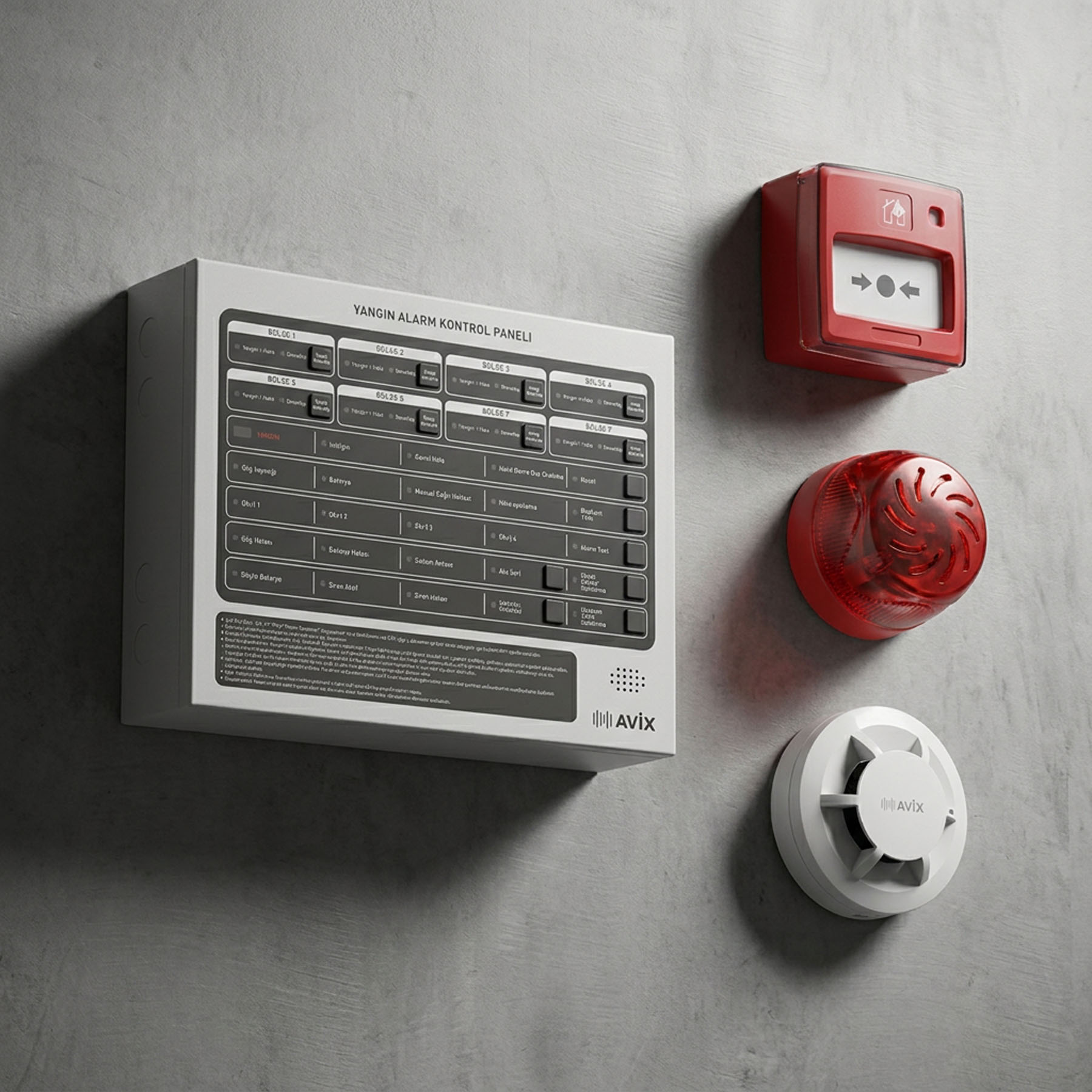
Zone, konvansiyonel panelden çıkan ve üzerine dedektörlerin paralel bağlandığı bir bölge hattıdır. Panelde her zone için ayrı bir gösterge bulunur.
Hattaki herhangi bir cihaz alarm verdiğinde panel yalnızca bölgeyi gösterir, cihazı değil. Zone'da on dedektör varsa hangisinin tetiklendiği panelden anlaşılmaz; müdahale eden kişi o bölgeye gidip gözle arar.
TS CEN/TS 54-14'e göre bir zone en fazla 1600 m² kat alanı kapsar. Alarm kaynağını bulmak için yürünecek arama mesafesi 30 metreyi aşamaz. Bir zone kural olarak tek bir katı kapsar; katlar arasında zone paylaştırılmaz.
Çoğu projede belirleyici olan metrekare değil, kat ve bağımsız bölüm sayısıdır. Dört katlı bir binada kat alanı küçük olsa bile en az dört zone gerekir. Kazan dairesi, elektrik odası ve arşiv gibi riskli hacimleri ayrı zone yapmak müdahaleyi kolaylaştırır.
Adreslenebilir sistemde çevrim (loop) üzerindeki her cihazın kendine ait bir numarası vardır. Dedektör, buton, siren ve modüller ayrı ayrı tanınır.
Alarm anında panel "2. kat, koridor, 47 numaralı optik dedektör" der. Konvansiyonelde panel sadece bölgeyi gösterdiği için arama yapılması gerekir; adreslenebilirde arama yoktur.
Adres yalnızca konum bilgisi değildir. Cihaz panele kirlilik seviyesini, arızasını ve çalışıp çalışmadığını sürekli bildirir. Ayrıca cihaz bazlı senaryo yazılabilir: belirli bir dedektörün alarmı asansörü indirebilir, damperi kapatabilir.
Panel "47 numaralı dedektör" der, ancak 47'nin nerede olduğunu gösteren belge yoksa adreslemenin tüm avantajı kaybolur. Cihaz adres listesi ve sistem haritası projeyle birlikte teslim edilmelidir.
Adres kapasitesi panel üreticisine göre değişir; yaygın panellerde loop başına 100 ila 250 cihaz adreslenebilir. Ancak bu sayı pratikte çalışma sınırı olarak kullanılmaz.
Loop üzerindeki tüm cihazların bekleme ve alarm akımları toplanır. Sirenler ve çıkış modülleri bu bütçeyi hızla tüketir. Adres kapasitesi dolmadan akım kapasitesi dolabilir.
Loop uzunluğu arttıkça hat sonundaki cihazın gördüğü gerilim düşer. Kablo kesiti ve toplam çevrim uzunluğu tasarım aşamasında hesaplanır, sahada tahmin edilmez.
Adres kapasitesinin tamamını kullanmayın. Loop'u yüzde 70-80 doldurmak, sonradan cihaz eklenmesine yer bırakır. 250 adres kapasitesine 245 cihaz bağlanmış bir sistemde ilk tadilatta yeni panel gerekir.
Loop bir çevrimdir. Tek bir noktadaki kısa devre, teoride tüm çevrimi devre dışı bırakabilir. İzolatör modülü bunu engeller.
İzolatör, arızalı bölümü çevrimden ayırır ve geri kalan cihazlar çalışmaya devam eder. Arıza giderildiğinde bölüm otomatik olarak yeniden devreye girer.
Evet. İzolatörler TS EN 54-17 kapsamındadır ve opsiyonel değildir. Yaygın tasarım pratiği, tek bir arızanın belirli bir cihaz sayısından fazlasını devre dışı bırakmamasıdır; bu nedenle izolatörler yangın bölmesi sınırlarına ve kat geçişlerine yerleştirilir.
Loop çekilmiş, cihazlar takılmış, izolatör konmamış. Sistem devreye alındığında sorunsuz çalışır. Bir yıl sonra bir kablo ezildiğinde tüm kat kör kalır. Bazı dedektörler izolatörü gövdesinde barındırır; bu ayrı modül ihtiyacını azaltır ama tasarım hesabını ortadan kaldırmaz.
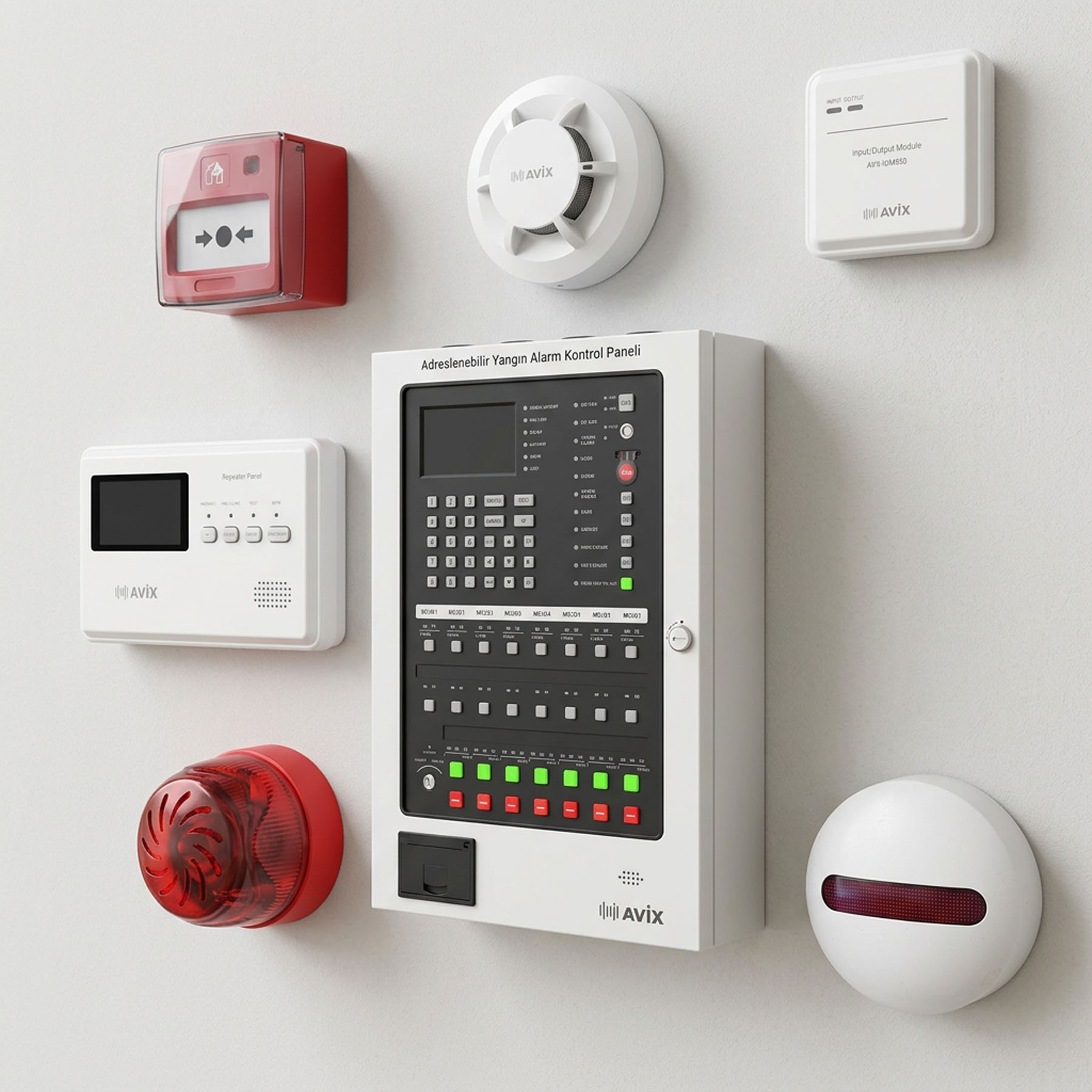
Giriş/çıkış modülleri, yangın panelinin diğer sistemlerle konuşmasını sağlayan ara birimlerdir. Adreslenebilir sistemde çevrime bağlanır ve her biri kendi adresiyle yönetilir.
Panelden gelen komutu bir röle kontağına çevirir. Asansörün zemine inmesi, yangın damperinin kapanması, geçiş kontrol kapısının serbest bırakılması, duman tahliye fanının çalıştırılması bu yolla yapılır.
Dışarıdaki bir sistemin kuru kontağını panele taşır. Sprinkler akış anahtarı, gaz söndürme sistemi durumu ya da vana konumu panele böyle bildirilir.
Her modül ayrı adreste olduğu için komut kat ya da bölme bazında verilebilir. "3. kat damperi kapansın" demek, tüm damperleri kapatmaktan farklıdır. Modüller TS EN 54-18 kapsamındadır ve hangi modülün neyi tetikleyeceği senaryo tablosunda yazılı olmalıdır.
Binaların Yangından Korunması Hakkında Yönetmelik, otomatik yangın algılama zorunluluğunu tek bir eşiğe bağlamaz. Yapı tipi, yükseklik, kullanım amacı ve kişi kapasitesi birlikte değerlendirilir.
Konaklama tesisleri, sağlık yapıları, eğitim binaları, yüksek binalar, toplanma amaçlı yapılar ve belirli büyüklüğü aşan ticari yapılar bu kapsamdadır. Aynı metrekaredeki bir depo ile bir otel farklı yükümlülükler taşır.
Yönetmelikteki geçici madde ile mevcut binalara tanınan uyum süresi 31 Aralık 2025'te sona ermiştir. Bu tarihten sonra denetim dönemi başlamıştır.
Yapınızın kapsama girip girmediğini metrekare üzerinden tahmin etmek yerine, kullanım sınıfı ve yükseklik üzerinden değerlendirmek gerekir. Tereddüt varsa yerinde keşif en hızlı yoldur.
Bakım tek bir işlem değil, kademeli bir programdır. TS CEN/TS 54-14 esaslarına göre dört seviyede yürütülür.
Panelin normal konumda olduğu, arıza ya da devre dışı göstergesi bulunmadığı kontrol edilir. Birkaç saniyelik iştir, bina görevlisi yapar.
Jeneratör varsa çalıştırılır, panel üzerinden sesli uyarı testi yapılır, önceki kayıtlar gözden geçirilir.
Kayıt defteri incelenir, akü bağlantıları ve gerilimi kontrol edilir, her zone veya bölümden en az bir cihaz tetiklenerek sistem denenir.
Tüm dedektörler tek tek test edilir. Akü kapasitesi ölçülür, tüm senaryolar denenir, kablolama ve cihaz durumu gözle kontrol edilir.
Yapılan her işlem kayıt defterine işlenir. Denetimde ilk istenen belge budur; bakım yapılmış olması yetmez, belgelenmiş olması gerekir.
Şebeke elektriği kesildiğinde sistem çalışmaya devam etmek zorundadır. Bunun için gereken süre standartla tanımlıdır.
Sistem 24 saat bekleme ve ardından 30 dakika alarm süresini akü ile karşılayabilmelidir. Bina yönetiminde farklı bir gereklilik varsa süre artabilir.
Panelin ve tüm cihazların bekleme akımı 24 saatle, alarm akımı 30 dakikayla çarpılır, toplanır ve emniyet payı eklenir. Loop ya da zone üzerindeki cihaz sayısı arttıkça gereken kapasite de büyür. "Standart akü" diye bir şey yoktur; kapasite her projede yeniden hesaplanır.
Hesap yapılmadan takılan küçük akü, elektrik kesintisinde sistemi birkaç saatte kapatır ve bu dışarıdan fark edilmez. Yıllık bakımda akü kapasitesi ölçülmeli, yaşı takip edilmelidir.
Dedektörlerin üzerinde alarm durumunu gösteren bir LED bulunur. Ancak dedektör kapalı bir hacimdeyse bu LED dışarıdan görülmez.
Otel odaları, hasta odaları, kilitli depolar, asma tavan boşlukları ve yükseltilmiş döşeme altları. Kapıyı açmadan içeride alarm olup olmadığının anlaşılamadığı her yer.
Lamba, dedektörün uzak gösterge çıkışına bağlanır ve koridora ya da kapı üstüne monte edilir. Dedektör alarm verdiğinde lamba da yanar.
Müdahale eden kişi koridorda yürürken hangi mahalde alarm olduğunu görür. Özellikle konvansiyonel sistemlerde bu, panel yalnızca bölgeyi gösterdiği için arama süresini ciddi biçimde kısaltır.
Panel seçimi marka ve fiyattan önce belge ve kapasite meselesidir.
Panelin TS EN 54-2 (kontrol paneli) ve TS EN 54-4 (güç kaynağı) belgelerini birlikte taşıması gerekir. Bunlar ayrı sertifikalardır; yalnızca birini taşıyan ürün tam uyumlu sayılmaz.
Panel, hat kopukluğunu ve kısa devreyi ayrı ayrı algılayıp göstermelidir. Kopuk bir hat, sessizce çalışmayan bir sistem demektir.
Uyarı cihazları bölge hatlarından değil, panelin kendi siren çıkışından beslenmelidir ve bu çıkış da arıza izlemesi altında olmalıdır.
Zone ya da loop kapasitesi, hesaplanan ihtiyacın bir üstünden seçilir. Sonradan eklenen bir bölüm için boş kapasite bulmak, panel değiştirmekten ucuzdur.
Panelin alarm, arıza ve işlem geçmişini tutması gerekir. Denetimde ve arıza incelemesinde ilk bakılan yer burasıdır.
TS CEN/TS 54-14'e göre ışınlı duman dedektörünün algılama yarıçapı 6,2 metredir. Işının her iki yanında 6,2 metre korunur, toplam korunan genişlik 12,4 metredir.
Standardın önceki sürümünde bu değerler 7,5 ve 15 metreydi. Eski hesap tablosuyla çalışan bir projede geniş hollerde bir ışın hattı eksik çıkar.
Işın uzunluğu ise standartta 45 metreye kadar kabul edilir; cihaz üreticilerinin verdiği çalışma mesafesi genellikle 100 metreye kadar çıkar. Bu iki değer karıştırılmamalıdır: çalışma mesafesi cihazın kapasitesi, korunan alan ise standarda göre yapılan hesaptır.