

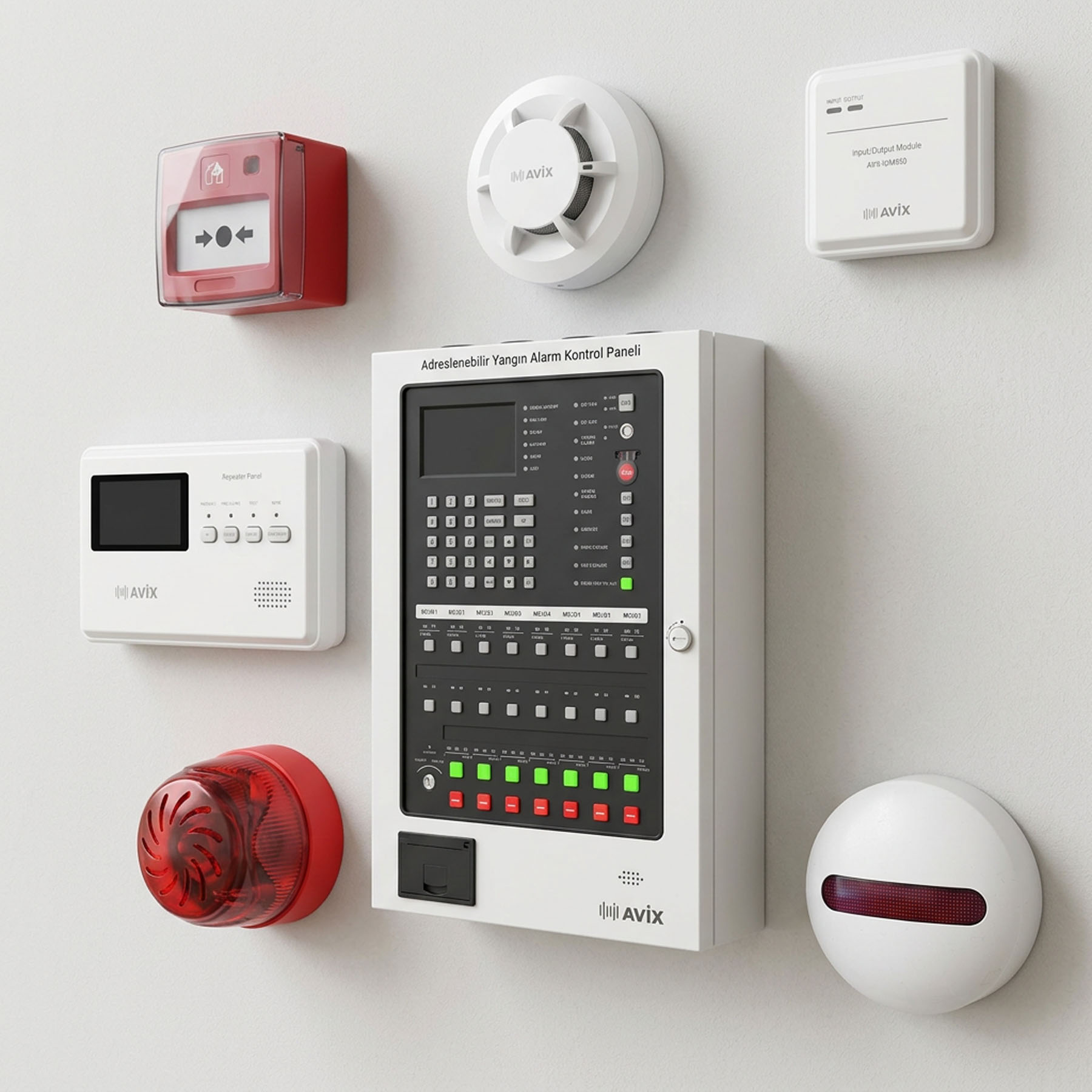
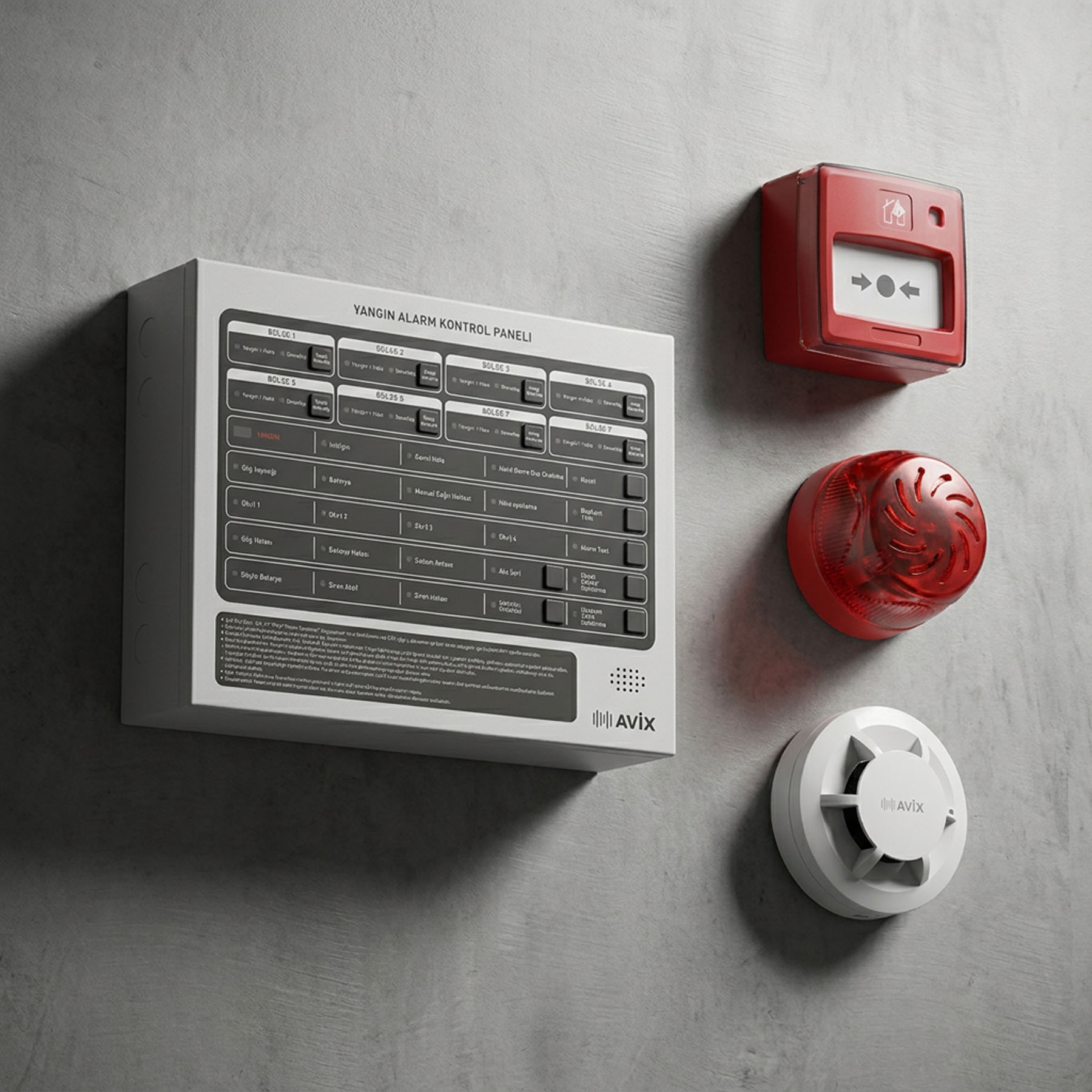

The isolator module is the most commonly omitted part of an addressable installation. The reason is simple: the system works without it. Nothing appears wrong on the day it is commissioned. The problem surfaces a year later, when a cable gets crushed.
Why it is needed
A loop is a circuit. It leaves the panel, passes through the devices and returns. The advantage of that arrangement is this: if the circuit breaks at any point, devices continue to be fed from both ends.
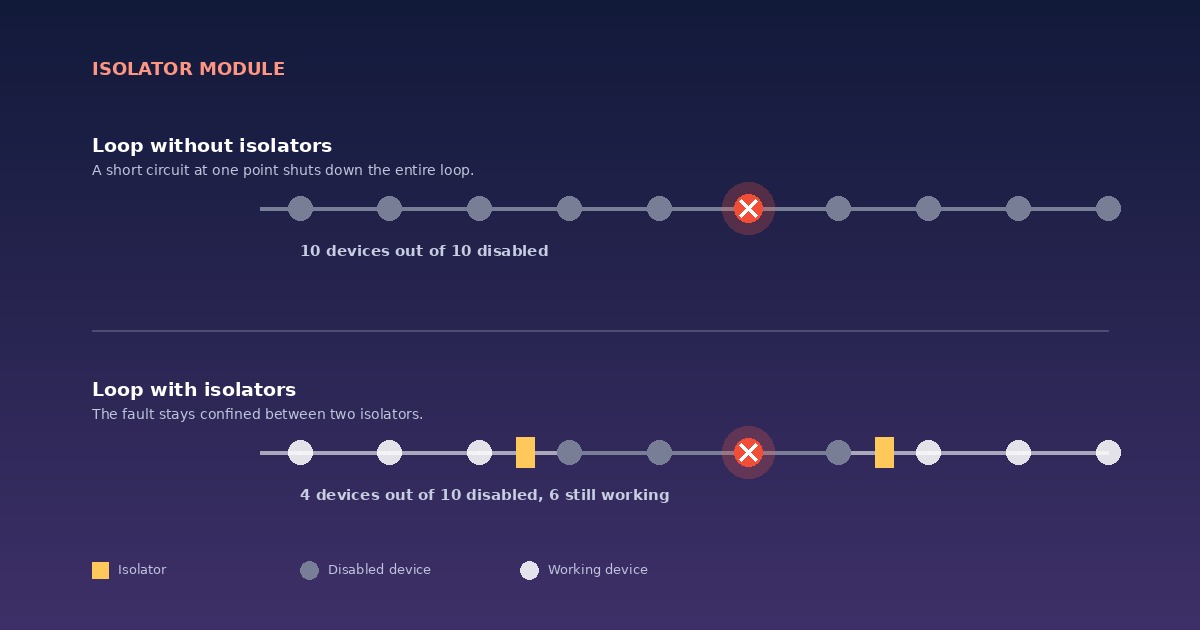
But a break and a short circuit are different things. When the two conductors on a loop touch, the panel shuts the whole circuit down to protect it. A fault at a single point takes hundreds of devices out of service.
An isolator module breaks that chain. It detects the short circuit, separates its own section from the loop, and the remaining devices carry on working. Once the fault is cleared, the section returns automatically.
Is it mandatory
Yes. Isolators are a separate product category under EN 54-17 and form part of the system design.
The underlying principle is that a single fault should not disable the whole of a protected area. In practice this means the effect of one short circuit has to be confined to a limited number of devices over a limited area.
This is not an optional improvement. It is a condition of how the system is meant to work.
Where they go
Isolator positioning is not arbitrary. Three rules govern it:
Fire compartment boundaries. An isolator is placed wherever the loop crosses from one fire compartment into another, so damage in one compartment does not affect detection in the next.
Floor transitions. Each storey is separated by at least one isolator. Refurbishment work, cable damage or a water leak on one floor must not blind the others.
Device count. A long corridor may not cross any compartment boundary, but having forty consecutive devices in one isolated section is not sound design. Intermediate isolators are added so that no section exceeds a defined device count.
Are base isolators enough
Some detectors carry the isolator circuit in the base or in the body. This is a practical solution and reduces the number of separate modules needed.
Two points deserve attention, though. First, a base isolator protects only the point where that device sits; it does not by itself deliver the overall sectioning of the loop. Second, call points, sounders and modules generally do not include base isolators, so sections containing those devices need separate consideration.
The design calculation is done in every case. "The detector bases have isolators" is not the same thing as having an isolator scheme.
Effect on current and voltage
An isolator module is also a load on the loop. It has its own standby current and produces a small voltage drop along the circuit.
On long loops with many isolators this effect accumulates and reduces the voltage seen by the last device on the circuit. Isolators have to be included in the loop calculation; counting only detectors and sounders is not sufficient.
What happens on site
Three situations come up most often:
None fitted. The loop is run, the devices are installed, no isolators. The system works perfectly at commissioning and passes its tests. The first short circuit closes the entire loop.
Fitted at random. A few isolators exist but their positions follow no plan. Compartment boundaries and floor transitions were not considered, so protection is only partial.
On the drawing, not on site. Isolators appear on the equipment list but were skipped during installation or used elsewhere. Nobody notices at inspection, because the system works.
How to verify
Whether the isolators work is proved at commissioning. The method is straightforward: a controlled short circuit is applied to the loop and the panel is observed to see which devices it loses.
The expected result is that only the section between two isolators drops out. If the whole loop closes down, either there are no isolators or they are not working.
This test is recorded. Repeating it at the annual service is good practice.
Summary
The isolator module is the invisible part of the system. In normal operation it does nothing, indicates nothing and draws nobody's attention. It has one job, and that job may not be needed even once a year.
But on the day it is needed, a system without isolators leaves an entire floor blind. It costs little and skipping it is expensive.
To review the isolator scheme on your existing system or discuss a new project, you can request a free site survey.
