

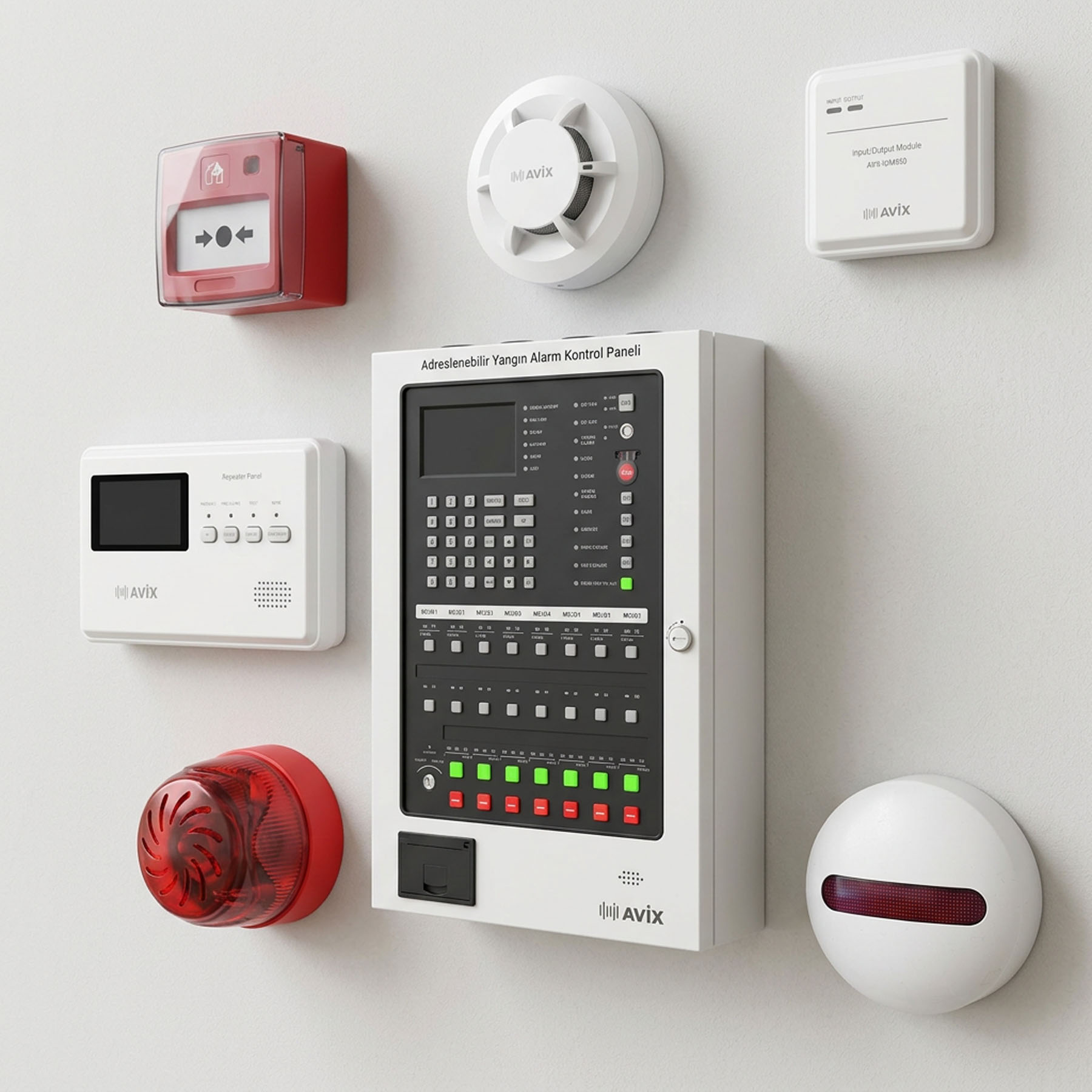
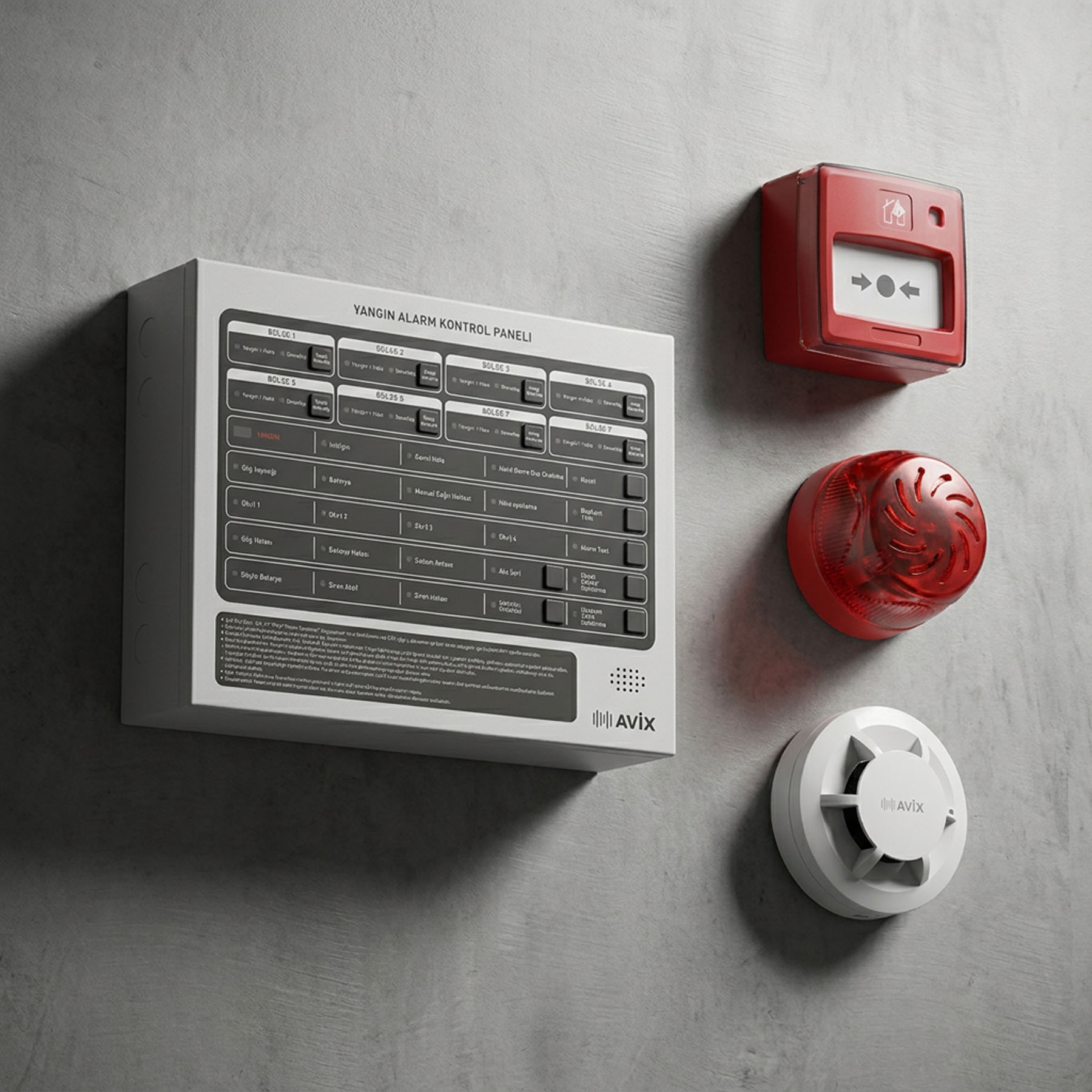
An unmaintained fire alarm system does not fail loudly one day. The panel goes on looking normal, the green light stays on, nobody notices anything wrong. The system dies slowly, in pieces.
This article covers what quietly fails and how you find out. When and how maintenance is carried out is covered in a separate article.
One: battery capacity falls and nobody sees it
On loss of mains the system has to run for 24 hours in standby and 30 minutes in alarm on battery.
As a battery ages its capacity drops while its voltage continues to look normal. The panel runs its charging circuit and reports no fault at all. Unless you measure capacity, you have no way of knowing.
The result: when the power goes, the system lasts three hours rather than twenty-four. If the cut happens at midnight, the building is unprotected until morning and nobody knows it.
This is why the annual service measures battery capacity rather than settling for a voltage reading.
Two: detectors get dirty and start producing false alarms
Dust builds up in the chamber of an optical detector over time. The device begins mistaking clean air for smoke.
The sequence is always the same: one false alarm in the middle of the night, then another, then building management says "that detector keeps going off" and the zone gets disabled.
A disabled zone is an unprotected zone. And it is usually done as a temporary measure that becomes permanent.
The risk is higher on conventional systems, because the detector never reports its contamination level to the panel. Contamination only becomes apparent through false alarms. On an addressable system the panel flags a fault in advance.
Three: disablements get forgotten
A floor generates dust during refurbishment, so that zone is disabled temporarily. Whoever did it forgets to re-enable it that evening. The panel shows a disablement indication, but nobody looks at the panel.
Months later an inspection arrives and a third of the system turns out to be switched off.
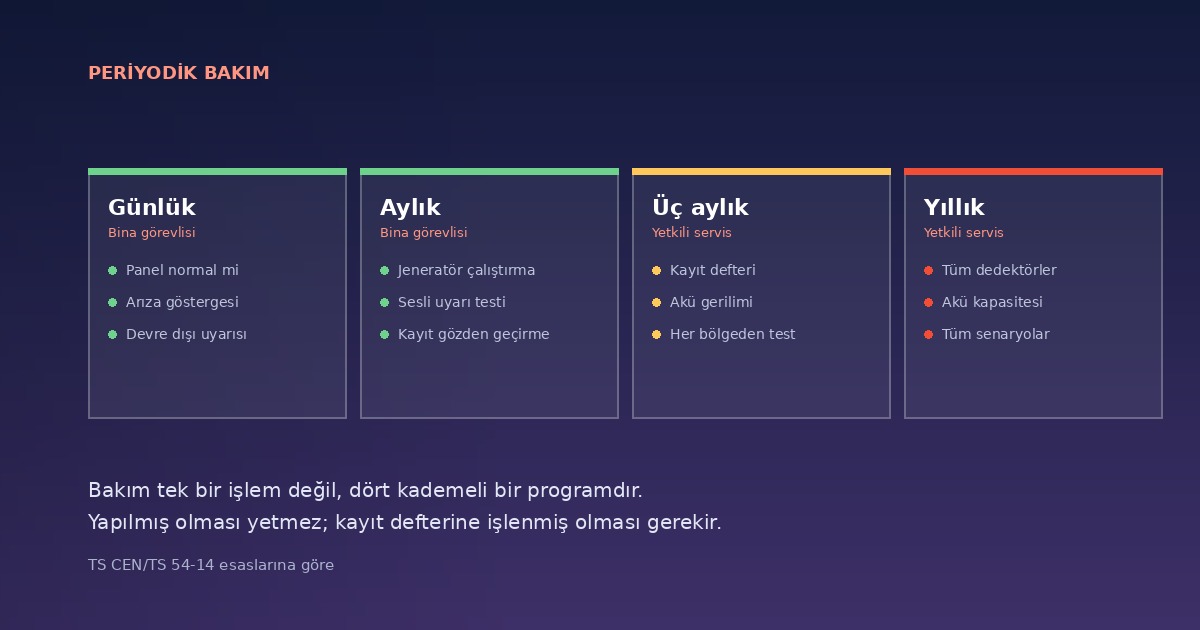
This is the only purpose of the daily check: seeing that the panel is in its normal state, with no fault or disablement showing. It takes seconds and building staff do it.
Four: the system changes, the documentation does not
The building is repartitioned, a wall goes up, a room becomes a store. Detectors are moved and new ones added.
But the system drawings and device address list are never updated. The panel says "detector 47" and nobody knows where 47 is.
At that point the entire advantage of an addressable system is gone. Device-level detection in a system without documentation is no better than zone-level detection.
Five: cause and effect is never retested
Lifts returning to ground, dampers closing, doors releasing — these are proved on the day of commissioning and never tried again.
In the three years since, the lift has been serviced, a control board has been replaced, a damper motor has failed. The fire panel operates its relay and nothing on the other end responds. No warning appears at the panel, because the panel did its part.
This is why every scenario is proved individually at the annual service.
The first thing an inspector asks for: the logbook
Having done the maintenance is not enough. It has to be evidenced.
The first document requested at inspection is the logbook. It contains the checks carried out and their dates, faults found, dates they were cleared, disablement and restoration records, and test results.
A system without a logbook counts as unmaintained as far as an inspection is concerned. "We do maintain it, we just don't write it down" is not a defence.
Whose responsibility is maintenance
The building owner and operator are responsible for keeping the system in working order. That responsibility does not transfer to the company that installed it; even where a maintenance contract exists, final responsibility stays with the operator.
One of the first things examined after a fire is whether the system was maintained and documented. An unmaintained system is a finding against the operator in both insurance and legal proceedings.
How to tell: three questions
You can gauge the state of your own system with three questions:
1. Where is the logbook and when was the last entry? If it cannot be found, or the last entry is over a year old, the system is unmaintained.
2. Is there a disablement indication on the panel? If so, does anyone know which zone and why it was switched off?
3. When was battery capacity last measured? "We replaced it" is not enough; there should be a measurement record.
If you cannot answer all three clearly, the system is most likely working on paper only.
Summary
An unmaintained system does not tell you it has failed. The green light stays on. You find out on the day there is a fire, and by then it is too late.
To have your existing system inspected or to set up a maintenance agreement, you can request a free site survey.
