

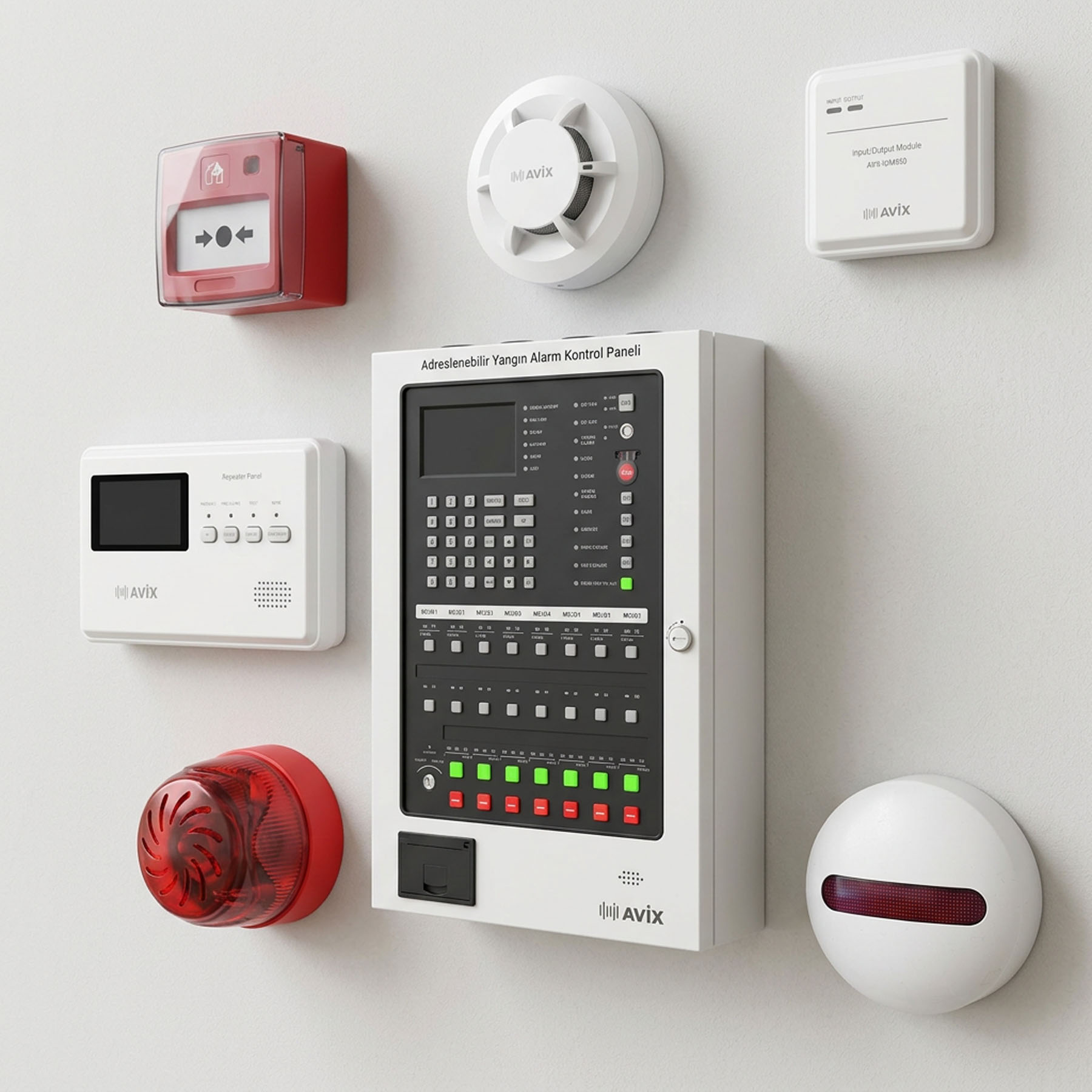
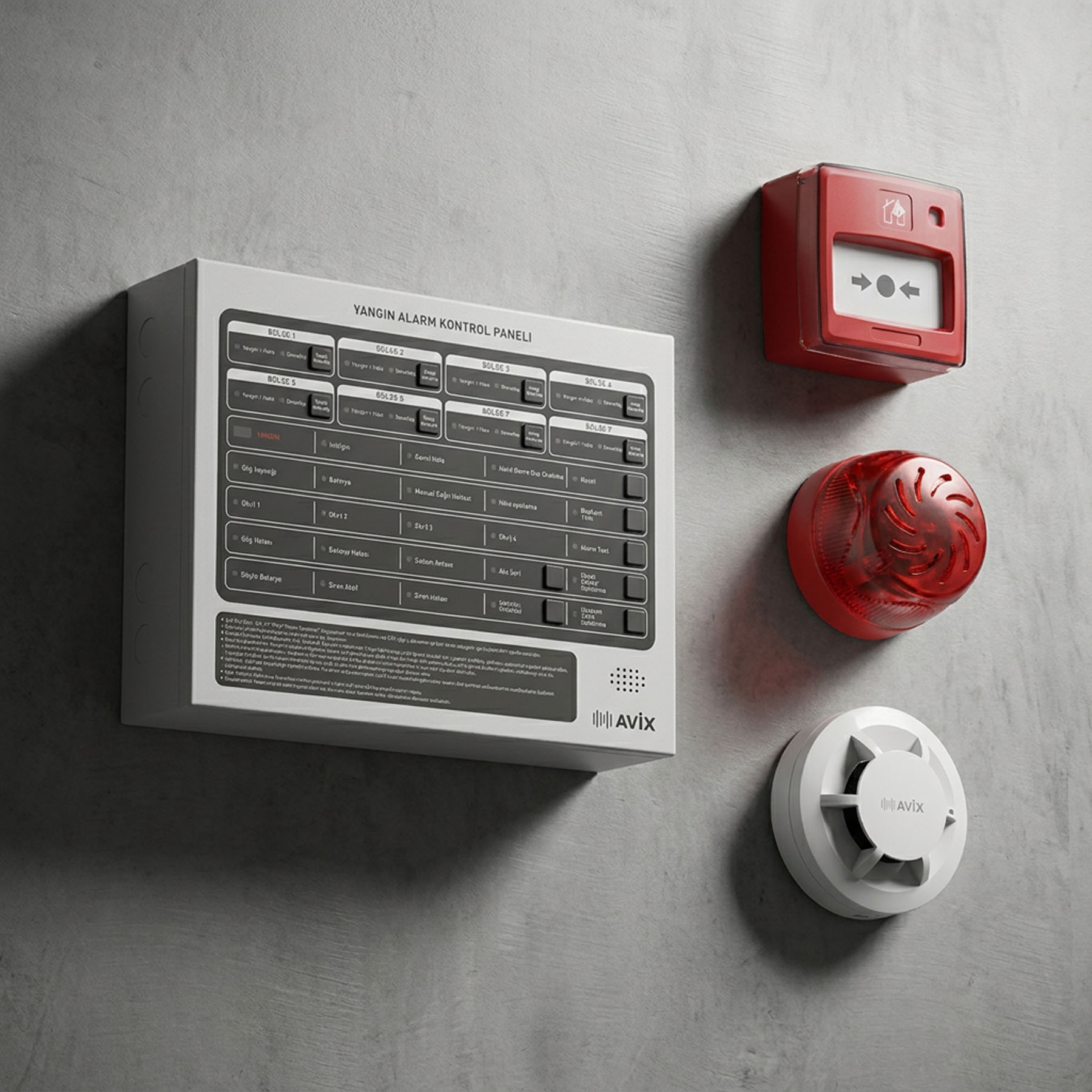

A fire detection system matters not because it worked on the day it was installed, but because it works on the day it is needed. Maintenance is what separates the two. This article sets out which checks are required at which intervals, and what inspection looks for.
Why maintenance is necessary
Detectors are affected by their environment. Dust, humidity, airflow and contamination reduce sensing performance over time. Batteries reach end of life. Alterations to the building change room boundaries and can invalidate an existing layout.
None of this announces itself on the panel. A system can become inadequate without any fault indication showing.
The four intervals
TS CEN/TS 54-14 defines maintenance activities and their frequencies across four levels.
Daily — performed by the user
Simple visual checks requiring no technical knowledge: confirming the panel is in its normal state with no fault or disablement indications. Carried out by site staff and logged.
This is the step most easily skipped and the most valuable: a fault indication burning unnoticed for weeks is one of the most common situations we encounter on site.
Monthly
Testing the standby power supply, battery measurements and checking panel fault indications. This verifies how long the system would continue to operate on loss of mains supply.
Quarterly
Checks requiring professional competence:
- Inspection of control and indicating equipment
- Zone testing
- Review of the system log
- Testing of monitoring and control functions
- Assessment of structural changes to the building
That last item matters: new partitions, suspended ceilings or a change of room use can render an existing detector layout inadequate.
Annual — full service
All of the above plus battery testing, verification of device accessibility and individual testing of every detector. Performed and reported by an authorised service provider.
Regulation and standard require comprehensive periodic maintenance by an authorised service provider at least once a year.
Environments needing more frequent service
These intervals are minimums. Increase frequency in:
- Dusty environments — manufacturing, woodworking, flour and food processing
- Humid spaces — laundries, kitchens, basements
- Heavily used buildings — hospitals, hotels, shopping centres
- Industrial spaces with significant vibration or airflow
False alarms are a maintenance issue
The common reaction to repeated false alarms is to disable the zone. This does not solve the problem — it hides it, and leaves the system legally indefensible.
The cause is usually a contaminated detector, the wrong detector type, or a position too close to ventilation. All three are resolved by servicing and layout correction.
Record keeping is part of maintenance
Performing maintenance is not enough; it must be documented. The file requested at inspection should contain:
- System design and commissioning report
- Equipment conformity certificates (TS EN 54)
- Daily and monthly log book
- Signed quarterly and annual service reports
- Fault and intervention records
- List of replaced devices
This is also the first document requested in an insurance claim.
Whose responsibility is maintenance?
Keeping the system operational is the responsibility of the building owner, manager and institutional directors. The annual comprehensive service must be carried out by an authorised provider; daily and monthly checks can be performed by site staff.
Let us maintain your system
Yansis provides periodic maintenance for fire detection systems. We track the maintenance schedule and issue a signed, inspection-ready report after every visit. Contact us to discuss a maintenance agreement.
